Invader Zim's Dark Legacy: Why the Cult Classic Endures
From the warped mind of Jhonen Vasquez sprung Invader Zim, an animated series that defiantly carved out its own niche in the early 2000s television landscape. Premiering on Nickelodeon in 2001, this dark comedy science fiction series introduced audiences to Zim, an incompetent alien from the planet Irk, hell-bent on conquering a bizarre, satirical version of Earth. Despite its short original run and untimely cancellation, Invader Zim has not only maintained but grown its dedicated following, solidifying its status as a timeless cult classic. But what is it about this peculiar show, with its unsettling themes and unique aesthetic, that allows its dark legacy to endure decades later?
The Unconventional Genesis of a Cult Phenomenon
Invader Zim was unlike anything else on Nickelodeon, or indeed, much of children's television at the time. Created by comic book writer and cartoonist Jhonen Vasquez, known for his darkly humorous and often disturbing work, the series was a bold departure. It was targeted at older children and adolescents, a demographic that appreciated its biting satire and readiness to delve into uncomfortable territory. The show quickly garnered critical acclaim for its distinctive art style, sharp writing, and stellar voice acting, particularly Richard Steven Horvitz as Zim and Rosearik Rikki Simons as his malfunctioning robot, GIR. The dynamic between Zim, his nemesis Dib, and the oblivious human populace painted a bleak yet hilarious picture of societal ignorance and futile ambition.
The series, despite its initial success, faced challenges. Ratings declined, and budgetary issues became a recurring problem, ultimately leading to its cancellation before the second season was fully completed. This left fans with a handful of tantalizingly unfinished episodes and a craving for more of Zim's bizarre adventures. Yet, this premature end didn't extinguish the show's flame; instead, it fueled a passionate fandom that would ensure its survival and resurgence.
The Enduring Allure of Zim's Dark Heart: Exploring "Dark Harvest"
One of the most defining aspects of Invader Zim's enduring appeal is its unblinking embrace of the macabre and genuinely unsettling. While often played for laughs, the show frequently ventured into themes that were surprisingly dark for a children's network. This willingness to push boundaries is perhaps best exemplified by specific episodes that stand out for their disturbing content, and few are as notorious as the "Dark Harvest" episode.
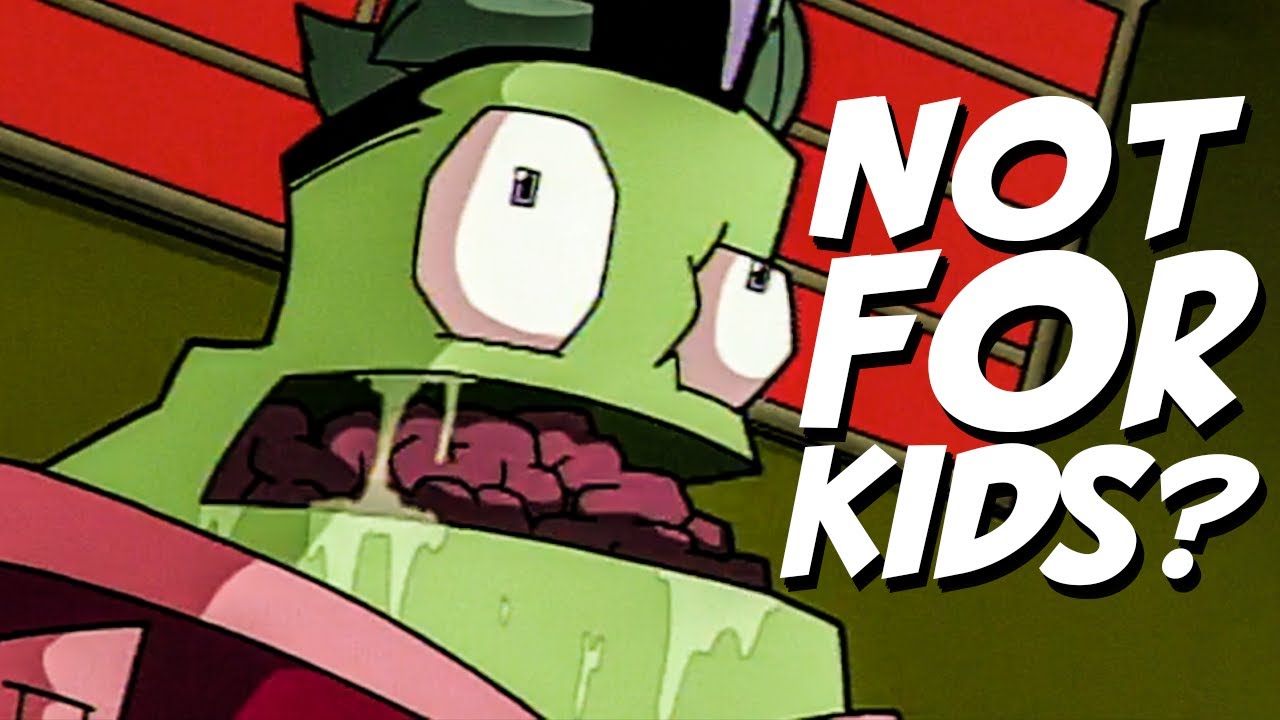
In "Dark Harvest," Zim, in a misguided attempt to appear more human and conceal his alien nature, embarks on a grotesque mission: stealing human organs from his classmates to replace his own faulty internal components. This premise alone is shocking, but the execution, with Zim collecting hearts, lungs, and other organs in jars, while his classmates slowly become zombified husks, is genuinely chilling. The episode serves as a powerful reminder of Zim's sheer ruthlessness and lack of empathy, a core aspect of his character that the show rarely shied away from. It's a prime example of the show's unique blend of dark comedy and genuine horror, showcasing how far it was willing to go.
For fans seeking a deep dive into the show's more disturbing aspects, searching for Dark Harvest Dti (often referring to 'detailed information' or 'discussion' within fandom circles) reveals a wealth of analysis. This particular episode is frequently cited as a pinnacle of the show's dark themes, prompting discussions about its psychological impact and its role in defining Invader Zim's distinct identity. The enduring fascination with such episodes highlights how the show expertly navigated the line between absurd humor and genuine discomfort, leaving a lasting impression that transcends typical animation.
The Art of the Macabre: Visuals and Sound Design
Beyond its narrative themes, Invader Zim’s visual and auditory aesthetics played a crucial role in crafting its dark atmosphere. The show’s art style, characterized by sharp angles, sickly green hues, and exaggerated expressions, was distinctively unsettling. Characters often sported large, grotesque features, and the Earth itself was depicted as a grimy, overpopulated dystopia. This visual language perfectly complemented the satirical and cynical tone of the writing.
Equally impactful was the show's innovative sound design. The unsettling squelches, mechanical whirs, and discordant musical scores further amplified the sense of unease. The iconic, high-pitched squeal of GIR's erratic movements or the ominous hum of Zim's machinery weren't just background noise; they were integral to building the show's unique, often claustrophobic, atmosphere. This meticulous attention to detail in both visual and sound design created an immersive, albeit disturbing, world that captivated audiences and cemented the show's place in animation history.
From Cancellation to Cult Canon: Why Zim Endures
Despite its early cancellation, Invader Zim's journey was far from over. The show originally ran from 2001 to 2002, with several completed second-season episodes remaining unreleased. These episodes eventually saw the light of day on DVD in 2004 and later on Nicktoons Network in 2006, feeding the hungry fandom. This gradual release only intensified the mystique surrounding the series, allowing its popularity to grow organically through word-of-mouth and online communities.
The dedication of its fanbase was instrumental in its resurgence. Increased popularity and above-average merchandise sales demonstrated a clear demand for more. This culminated in the highly anticipated television film, Invader Zim: Enter the Florpus, which premiered on Netflix in 2019, nearly two decades after the series first aired. This revival was a testament to the show's enduring appeal and the power of its loyal following. For a deeper dive into this journey, you can read more at From Cancellation to Netflix: The Dark Journey of Invader Zim.
The Community and Fandom
The cult status of Invader Zim is inextricably linked to its vibrant and active fandom. Online forums, social media groups, and fan conventions are rife with discussions, fan art, cosplay, and passionate debates about every aspect of the show. Fans dissect the intricate lore, celebrate its iconic characters, and analyze the profound social commentary hidden beneath the layers of absurdity. Discussions surrounding particularly impactful episodes, like the infamous "Dark Harvest," are common, with fans continually seeking out Dark Harvest Dti to share their interpretations and insights.
This active engagement not only keeps the show's legacy alive but also introduces new generations to its unique brand of humor and horror. The themes of alienation, consumerism, and the futility of ambition remain remarkably relevant, allowing new viewers to connect with Zim's misguided mission and Dib's relentless, often fruitless, pursuit of truth. To understand more about how this unique blend resonates, check out Exploring Invader Zim's Dark Humor and Cult Following.
Invader Zim's impact extends beyond mere entertainment. It proved that "children's animation" could tackle complex, dark themes with intelligence and visual flair, paving the way for other creators to push boundaries. Its commitment to a singular, uncompromising vision, even in the face of network pressures, left an indelible mark on animation. The show's ability to blend genuinely unsettling moments with laugh-out-loud comedy is a testament to Jhonen Vasquez's distinctive genius. It taught a generation that it's okay for entertainment to be strange, unsettling, and thought-provoking, even if it comes in the form of a tiny, delusional alien.
Conclusion
Invader Zim's dark legacy is a complex tapestry woven from groundbreaking animation, sharp satire, and an unflinching embrace of the macabre. Despite its initial struggles and early cancellation, the series defied expectations, morphing into a beloved cult classic cherished by millions worldwide. Episodes like "Dark Harvest" exemplify the show's daring willingness to explore disturbing themes, fueling continuous discussion and admiration among its dedicated fanbase who seek out Dark Harvest Dti to delve deeper into its unsettling brilliance. The enduring appeal of Zim, his malfunctioning robot GIR, and his relentless nemesis Dib proves that even the strangest, darkest stories can find their light and resonate with audiences for decades to come, securing Invader Zim's unique and permanent place in animation history.